Q&A: AI Entrepreneurs Share their Roach Honors College Influence
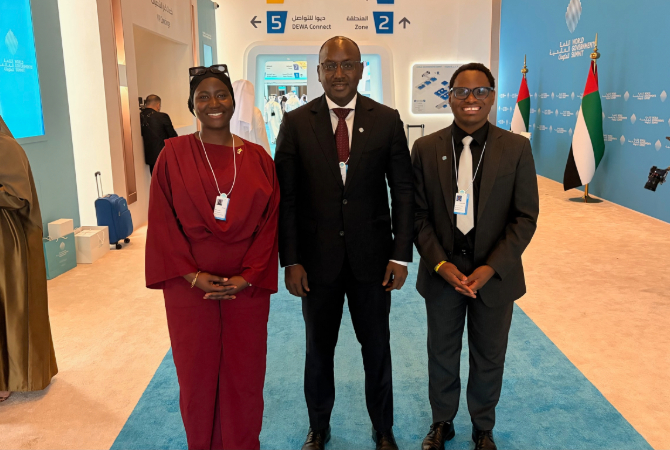
Two John V. Roach Honors students are working to bring artificial intelligence to all corners of the globe. Happy Niyorurema and Diarra Niang founded Bakame AI, an artificial intelligence-powered education system that operates without internet access, and it recently earned international recognition, winning the Global Best M-Gov Award in Dubai.
Both are international students and both are in the Neeley School of Business and the AddRan College of Liberal Arts. Niyorurema, raised in Rwanda, is a sophomore double-majoring in economics and finance.
Niang, raised in Senegal, is a junior double-majoring in economics and business information
systems.
The two recently shared how the Roach Honors College has influenced their education
and their business endeavor. 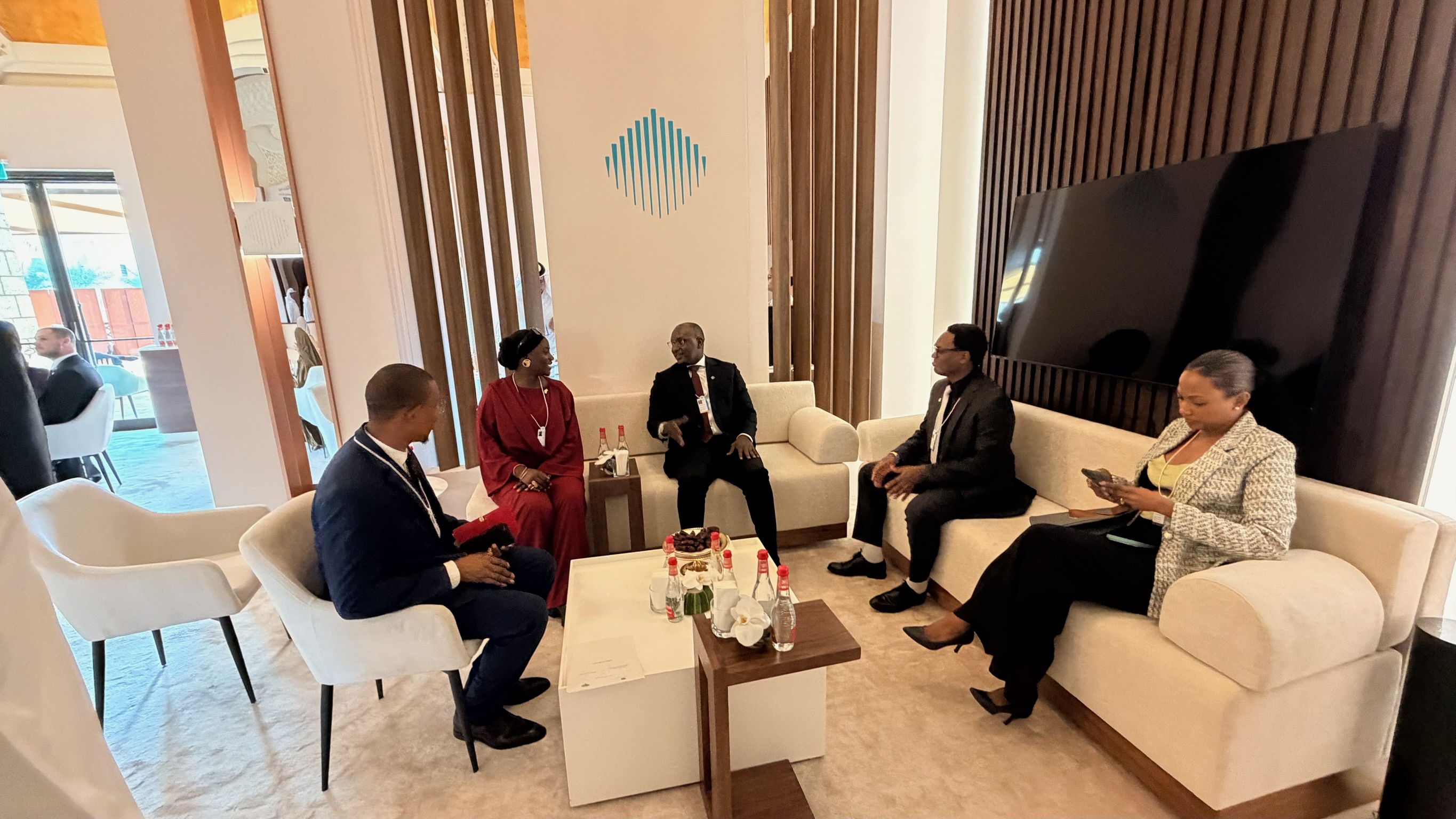
How has Roach Honors helped you advance Bakame? Has there been any classes, moments or discussions that changed your way of thinking about technology or access to education?
Niang: Roach Honors genuinely believes in the value of our endeavors. Last March, Honors
funded my research trip to Kenya on economic integration in Africa, covering my flight,
conference fees and accommodation. Honors doesn’t just encourage students to pursue
opportunities beyond the classroom, but it also provides the support to make them
possible.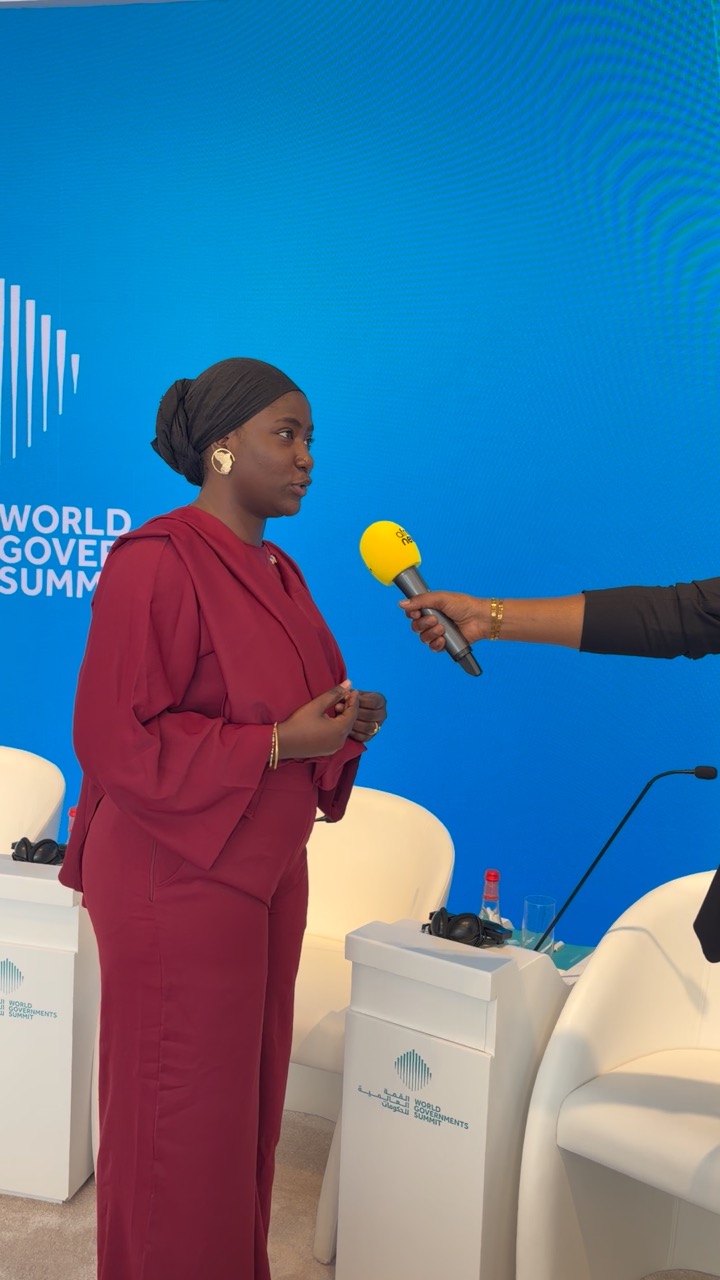
Has there been a professor or mentor in Roach Honors that has had a meaningful impact on your thinking or encouraged Bakame?
Niang: I am really grateful to professors like Dr. Sylviane Greensword (assistant professor of professional practice). She has played a significant role in shaping my interest in Africa-centered AI. Dr. Greensword’s Africa Through Film class, along with our many conversations about the continent, reinforced both my passion for our communities and my desire to create change at home.
Niyorurema: During my freshman year, I emailed Dean (Ron) Pitcock to introduce myself. To my surprise, he responded right away and scheduled a meeting – something uncommon from my international perspective. I shared my ambition to build something bigger than myself, and he pointed me to key resources at TCU, including the CREATE Accelerator, the Honors College and the Intercultural Center, which ultimately shaped how I pursued opportunities and leveraged campus support.
How has the discussion-focused style of Roach Honors classes influenced the way you think about solving problems or developing new ideas?

Niyorurema: Roach Honors classes have changed how I approach problems. Instead of the “classic” approach of always looking for the right answer, I have learned to appreciate uncertainty, stress-test my assumptions and seek wisdom ... every single day. Bakame has the exact same framework. AI is changing every day; we are always learning, building models and prototypes, iterating and collaborating with input from everyone.
Looking back, how do you see your Honors experience connecting to the success of this project?
Niyorurema: The connection is structural, not symbolic. Roach Honors trained me to think in systems across ethics, policy and technology. It’s exactly the mindset Bakame AI demands. We continually evaluate the broader implications, risks and mitigation strategies, develop mutually exclusive, collectively exhaustive logic models and quantify multiplier effects. Honors didn’t just shape how we think, it shaped how we build.
Niang: Roach Honors classes push us not only to think critically, but to do so while engaging with new perspectives and stretching the limits of our thinking. That approach naturally aligns with entrepreneurship, where we aim to bring creative solutions to problems that have existed for a long time. I especially appreciate Honors’ intentional dedication to fostering conversations that truly matter.